
 Hudson Thomas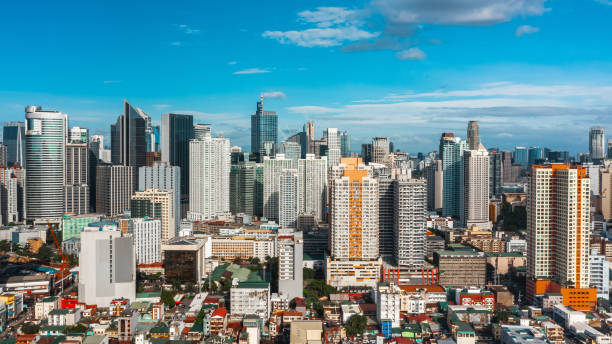
In the Philippines, the forex trading industry is one of the more serious financial ventures among young professionals, especially those in their mid-to-late 20s, who are trying to build their fortunes in a high cost of living urban environment. In Metro Manila, where even competitive salaries are nibbled down by rent, transportation, and day-to-day living costs, markets that never close and reward disciplined thinking are proving irresistible to a generation that has had enough of waiting for traditional finance to work in their favor.
This group is different from run-of-the-mill speculators because they make a conscious effort to study the craft. Before placing any trade, many spend months studying price action, risk management, and macroeconomic indicators. Discord and Facebook communities have grown into surprisingly strict trading environments, where Filipino traders share backtested strategies, engage in back-and-forth debate on Central Bank policy decisions, and hold one another accountable for correct position sizing. The culture is not about quick or easy gains; it is about refining a process.
Professional background is also a factor. A large share of these traders come from business process outsourcing, tech, or financial services, backgrounds that already demand structured thinking, data interpretation, and performance accountability. That foundation does not require much retooling. Tracking client deliverables or building financial models by day develops the same habits that currency pair analysis demands: patience, precision, and a tolerance for ambiguity. Turning corporate discipline into market discipline is not always straightforward, but for many, it is an extension of the work ethic they have already developed.
The study of forex has also entered more formal academic settings. A number of universities in the Philippines, where business curricula are well developed, have seen an increase in financial markets elective courses, and a few local brokers have developed content in Tagalog to meet that demand. Platforms such as MT4 are now commonplace in the local trading landscape, and the familiarity Filipino traders have with such platforms is now on par with what is observed in more established trading markets in Southeast Asia.
The experience is molded by practical constraints in interesting ways. The Philippine Stock Exchange has limited hours, and those who want more flexibility instinctively seek out markets that offer it. The 24-hour nature of currency markets suits people accustomed to schedules that run through the day, and it is not unusual to see traders logging on to analyze setups in the early hours of the morning after a full day at the office. This is not about glamorizing a side hustle; it is about prioritizing long-term financial growth.
The importance of financial independence is especially strong in Filipino families, where many young professionals support extended family members. It is easy to see why developing a skill with a clear income path appeals to those who feel the weight of those responsibilities and are trying to build their own savings. They are not simply trying to escape traditional employment. It reflects a mature understanding that a salary alone may not be sufficient, and that financial education combined with diligent effort can close that gap. Those who stick it out through the first year typically describe the same turning point: the shift from reacting emotionally to losses toward responding analytically. When that shift occurs, the work becomes genuinely engaging rather than stressful, and trading begins to feel like a real component of their long-term financial plan.